
5 Common Symptoms of Hydraulic Pump Problems in Construction Machinery
Hydraulic pumps are the heart of heavy construction equipment like excavators, loaders, bulldozers, and cranes. They power essential functions such as lifting, digging, and moving massive loads. When a hydraulic pump starts failing, it can lead to reduced productivity, costly downtime, and even safety risks on the job site. Recognizing early warning signs allows operators and maintenance teams to address issues before a complete breakdown occurs.
Here are five key symptoms of hydraulic pump problems commonly seen in plant construction machinery:
1. Unusual Noises (Whining, Knocking, or Banging)
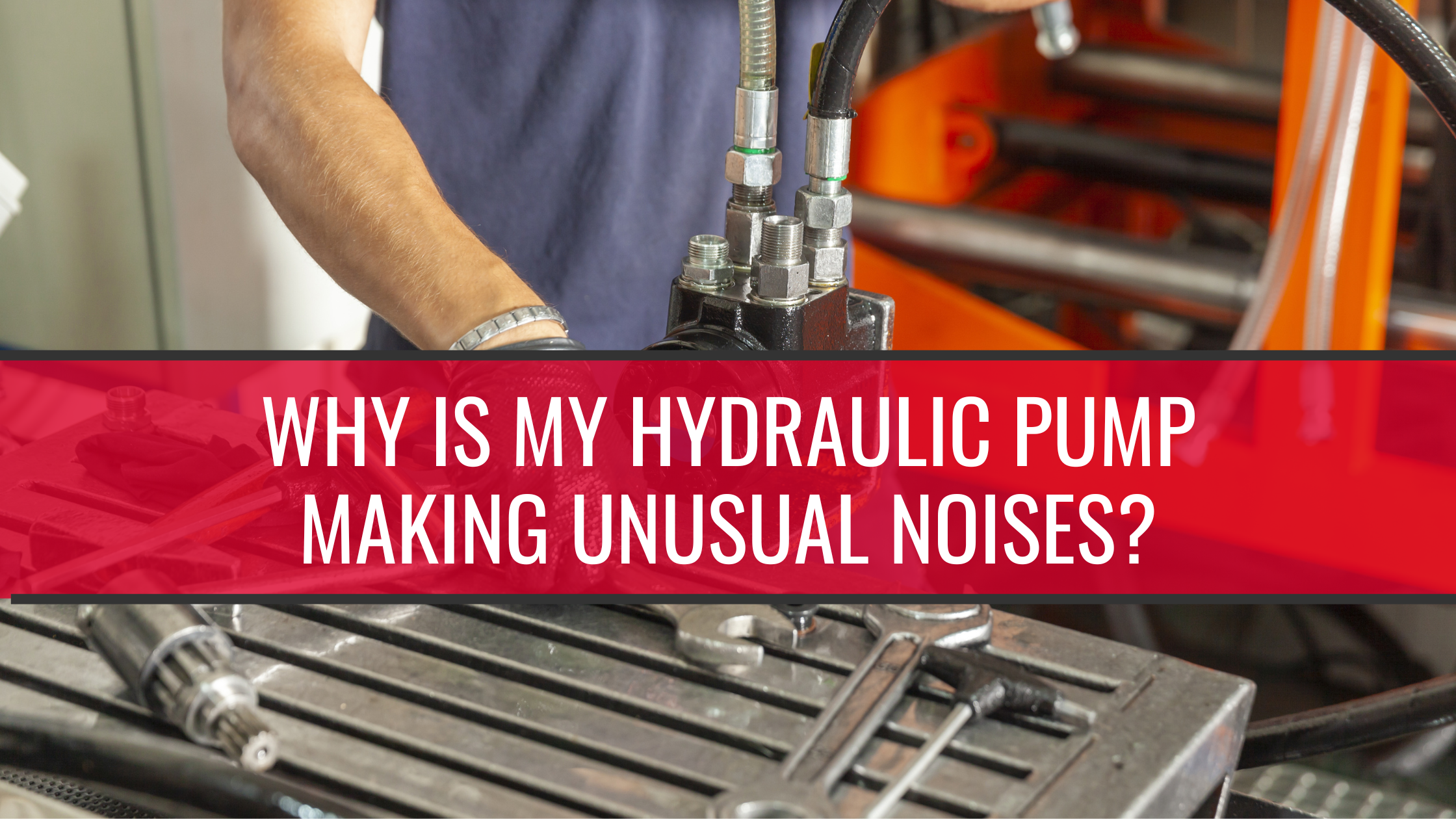
A healthy hydraulic pump produces a consistent hum, but failing pumps often make loud, abnormal sounds. Whining indicates cavitation (vapor bubbles imploding due to low fluid pressure), while knocking or banging suggests aeration (air in the system) or internal wear.

2. Overheating of the Hydraulic System
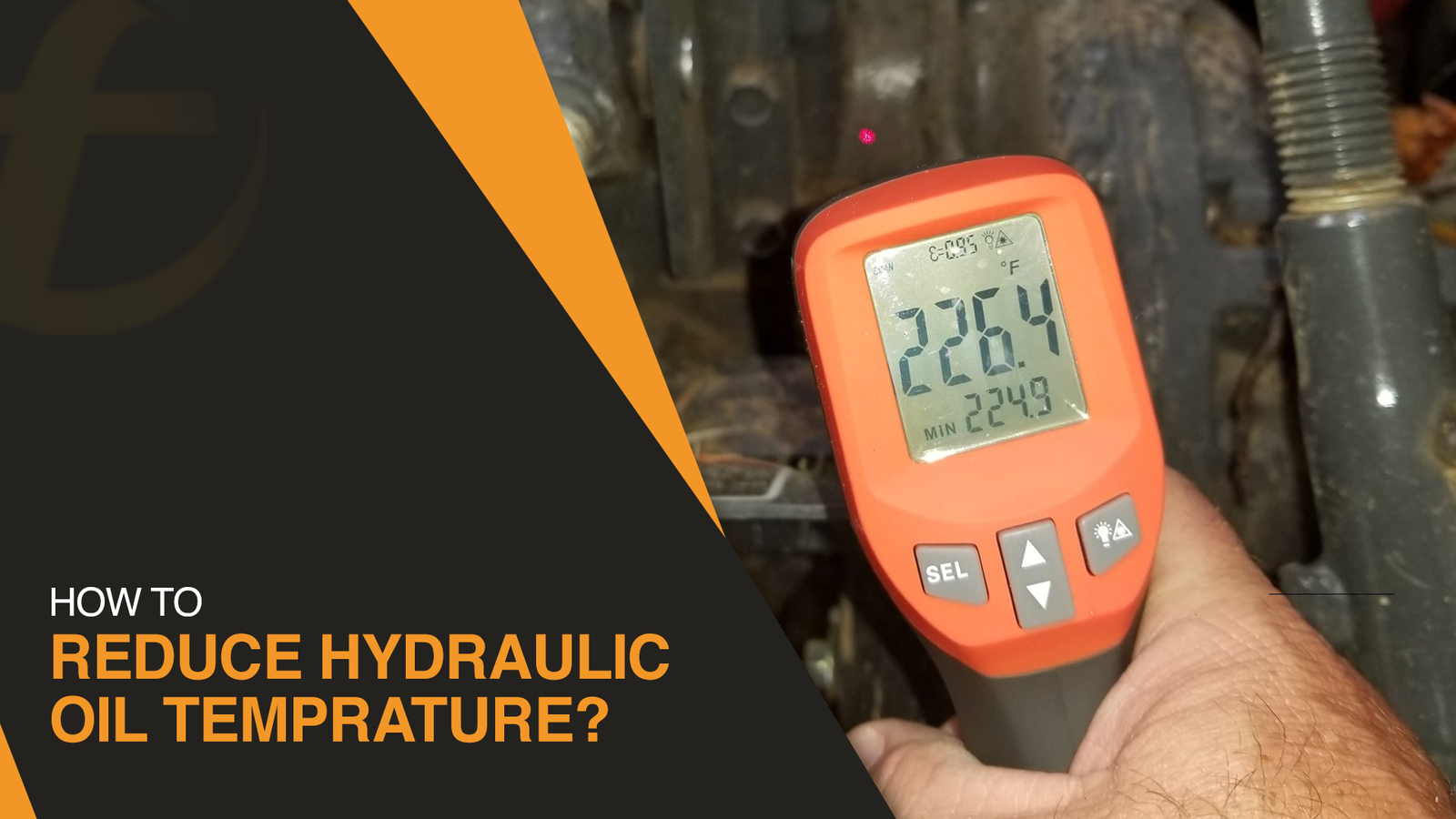
Excessive heat (fluid temperatures above 180°F/82°C) is a red flag. Causes include contamination, internal leaks, or overworking the pump. Overheating degrades fluid viscosity, accelerates wear, and can damage seals.
3. Slow or Erratic Operation
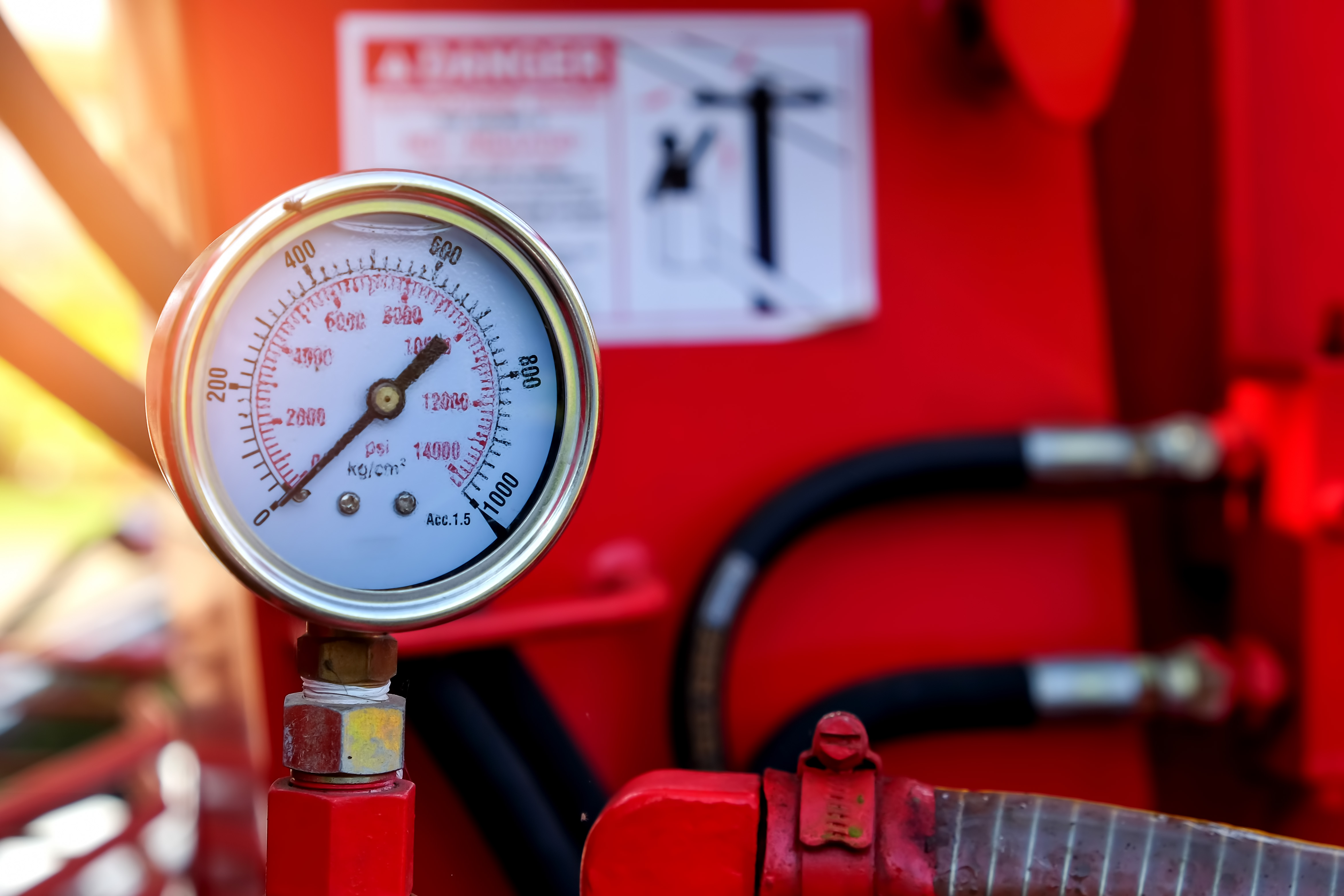
If your machinery responds sluggishly, cycle times increase, or movements become inconsistent (e.g., jerky lifting or weak power), the pump may not be delivering adequate pressure or flow. This often stems from internal leakage, worn components, or fluid contamination.
4. Fluid Leaks
Visible oil around the pump, hoses, or fittings indicates seal failure or cracks. Internal leaks (harder to spot) reduce system pressure and cause overheating.


5. Foamy or Contaminated Hydraulic Fluid
Check the reservoir: Bubbly/foamy fluid points to aeration, while dark, milky, or particle-filled oil signals contamination (water, dirt, or debris). This accelerates pump wear and cavitation.

Final Thoughts
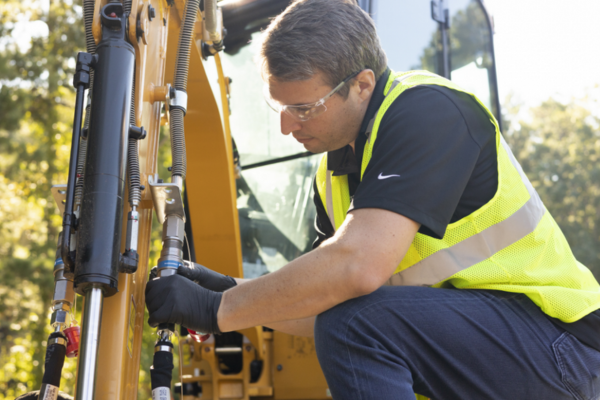
Catching these symptoms early through routine inspections and operator vigilance can prevent major failures. Common root causes include contamination (the #1 killer of hydraulic systems), improper maintenance, overheating, and cavitation. Always consult a qualified technician for diagnosis and repair—proactive care keeps your construction machinery running smoothly and safely.

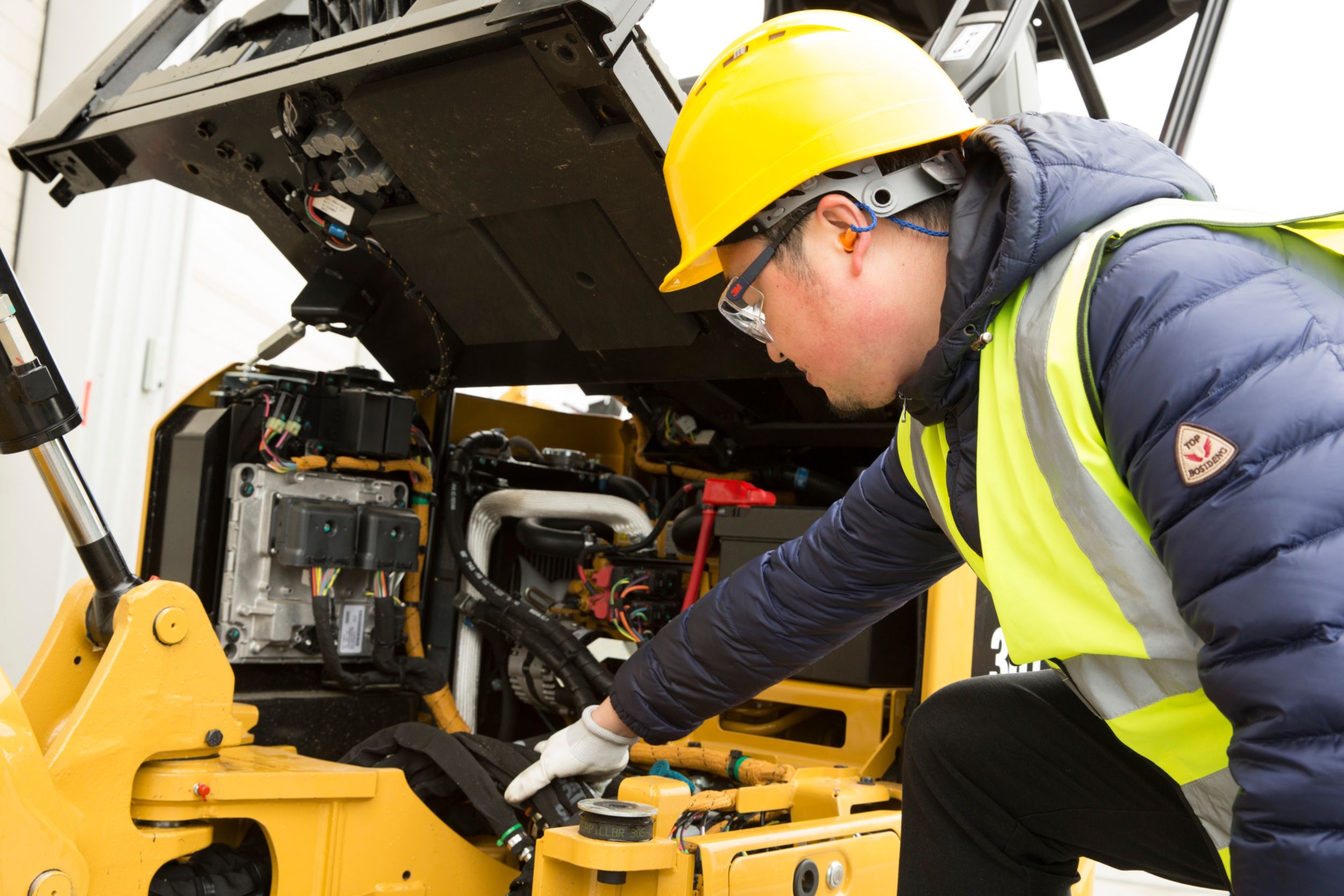
If you're experiencing any of these issues, schedule a system check today to avoid expensive downtime!