
5 Common Symptoms of Hydraulic Pump Problems in Construction Machinery
Hydraulic pumps are the heart of heavy construction equipment excavators, loaders, bulldozers, and cranes all depend on them to power lifting, digging, and moving massive loads. When a pump starts failing, recognizing the early warning signs lets you address issues before a complete breakdown occurs.
Replacing a Vickers PVH131 or Eaton PVB45 piston pump can cost thousands and take your machine off the job for days. Catching early symptoms and replacing a seal kit or worn internal part costs a fraction of that, with same-day shipping.
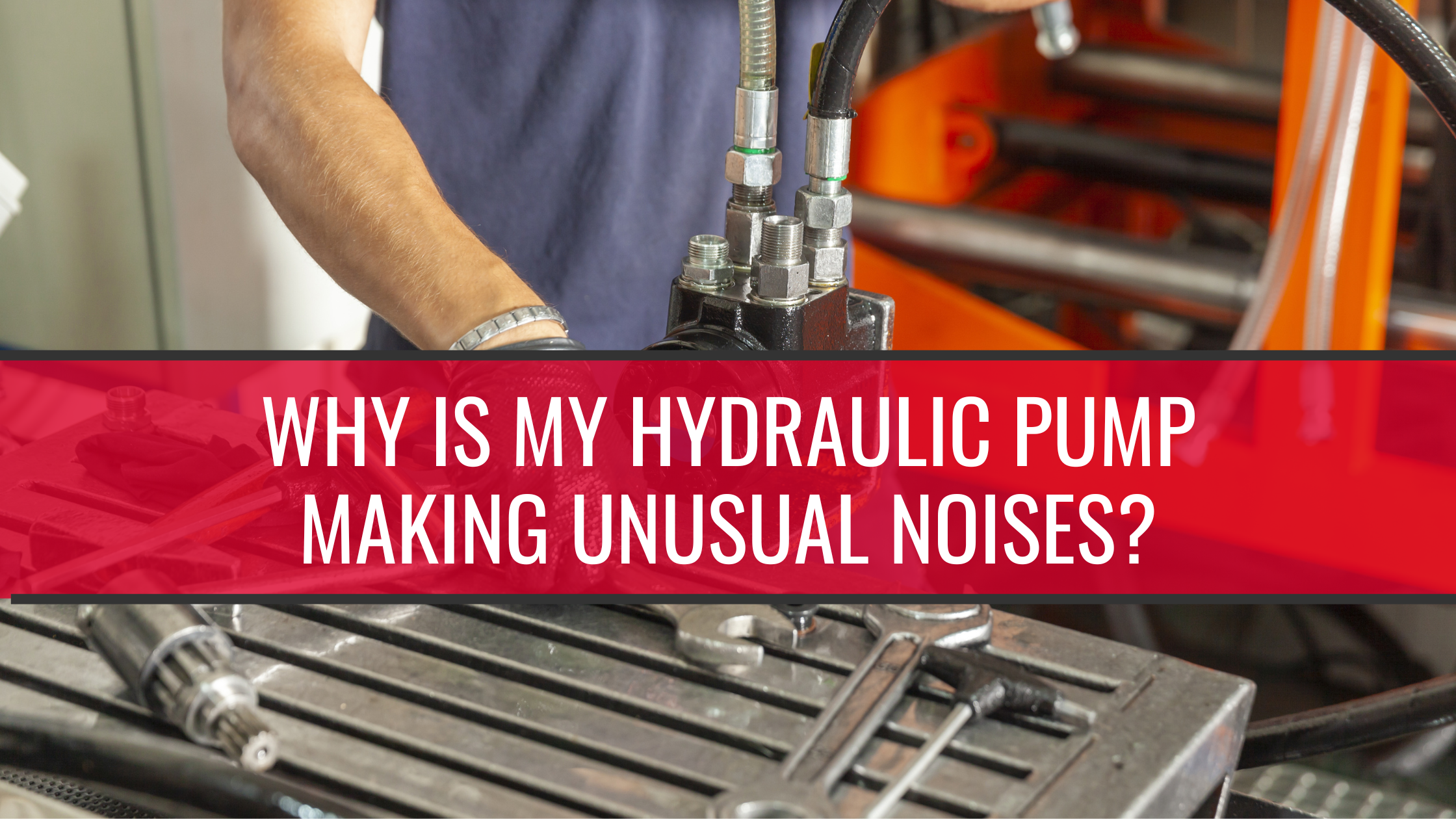
1. Unusual Noises, Whining, Knocking, or Banging
A healthy hydraulic pump produces a consistent hum. Loud, abnormal sounds are almost always a symptom of something wrong internally.
| Whining / Squealing | Cavitation, vapor bubbles imploding from low fluid pressure at the inlet. Common on Vickers PVH and PVB piston pumps with clogged suction strainers. |
| Knocking / Banging | Aeration, air in the system from a failing shaft seal or loose suction fitting, compressing and decompressing violently inside the pump housing. |
| Metallic Grinding | Internal wear, bearings, pistons, or vanes are deteriorating. Metal debris is now circulating through your entire system contaminating valves and cylinders downstream. |

2. Overheating of the Hydraulic System
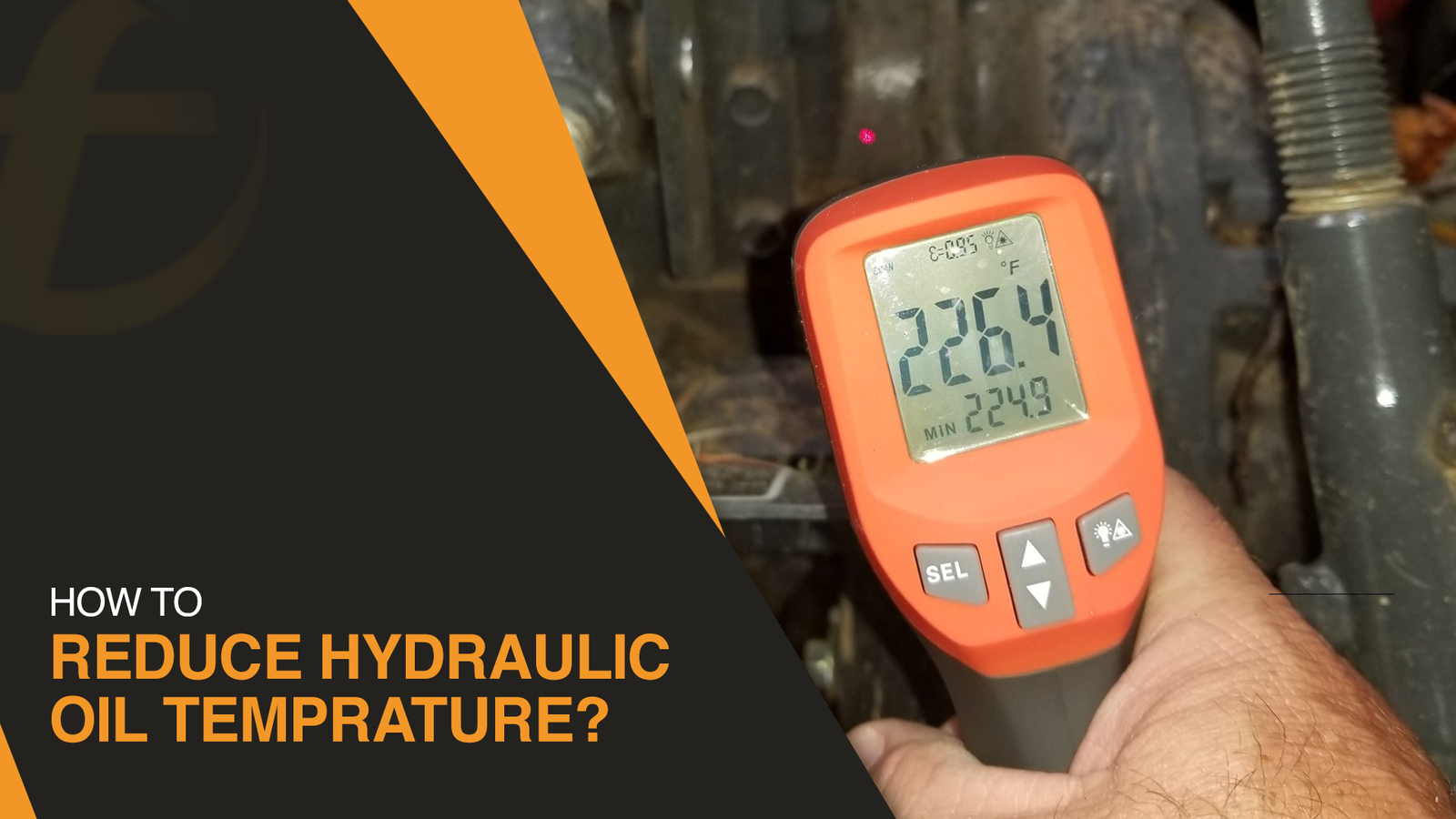
Excessive heat, fluid temperatures above 180°F (82°C), is a serious red flag. Overheating degrades fluid viscosity, accelerates wear, and can catastrophically damage seals throughout the system.
- Internal bypass from worn seals Fluid leaking past worn seals generates heat instead of doing work. The more internal leakage, the hotter the system runs.
- Relief valve set too high System running at excessive pressure generates more heat than the cooler can dissipate.
- Blocked heat exchanger Construction environments clog coolers with dust and debris rapidly.
- Contaminated fluid Dirty fluid has reduced lubricity, causing more friction and heat at every moving surface.
3. Slow or Erratic Operation
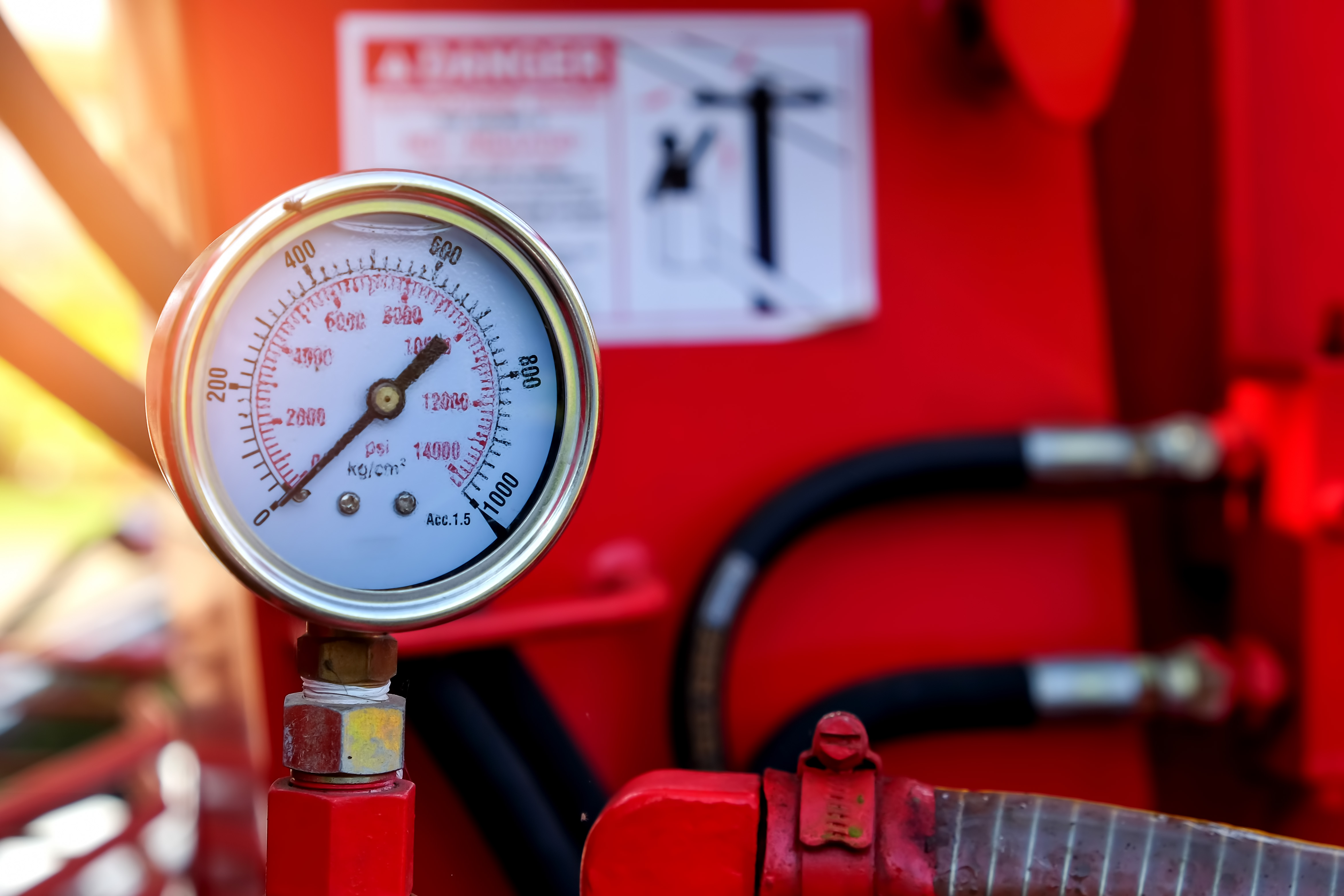
If your machinery responds sluggishly, cycle times increase, or movements become inconsistent, jerky lifting, weak digging force, uneven cylinder travel, the pump is not delivering adequate pressure or flow.
- Worn internal seals As o-rings and shaft seals degrade, internal fluid bypass increases. Most common on aging Vickers vane pumps (V10, V20, 35VQ series).
- Enlarged internal clearances Normal wear on pistons, vanes, or gear teeth increases gaps between moving parts, reducing volumetric efficiency.
- Fluid contamination Particles circulate through the pump and clog downstream valve spools, causing erratic actuator response. Contamination causes an estimated 70–80% of all hydraulic failures.
- Incorrect fluid viscosity Fluid too thick (cold weather) or too thin (overheated) significantly reduces pump efficiency.
4. Fluid Leaks
Visible oil around the pump, hoses, or fittings indicates seal failure or cracking. Internal leaks, harder to spot, reduce system pressure and cause overheating without obvious external evidence.
| Shaft Seal | Most common on PVB, PVH, and V-series vane pumps. Wears with normal use, catch it early with a full overhaul seal kit. |
| End Cover Gaskets | Crack and harden with heat cycling over time. Fluid seeps from the mating surfaces on pump end caps. |
| Port O-Rings | O-rings sealing the pressure and return ports degrade with age and temperature exposure. |


5. Foamy or Contaminated Hydraulic Fluid
Check your reservoir. Bubbly or foamy fluid points to aeration, air is being pulled into the system. Dark, milky, or particle-filled oil signals contamination from water, dirt, or degraded metal particles. Either condition accelerates pump wear and triggers cavitation.

Quick Diagnosis Reference
| Symptom | Most Likely Cause | First Action | Urgency |
|---|---|---|---|
| Whining / squealing | Cavitation, clogged strainer | Check fluid level and strainer | Stop and inspect |
| Knocking / banging | Aeration, air in system | Inspect shaft seal and fittings | Causes rapid wear |
| Slow / weak performance | Worn seals, internal bypass | Check outlet pressure vs spec | Schedule repair |
| Overheating | Internal leakage or contamination | Check relief valve, cooler, fluid | Damages seals fast |
| External leaks | Worn shaft seal or gaskets | Identify source, replace seal kit | Repair before worsening |
| Foamy / dirty fluid | Aeration or contamination | Change fluid and filter immediately | Change fluid now |
Professional Maintenance Keeps Your Equipment Running
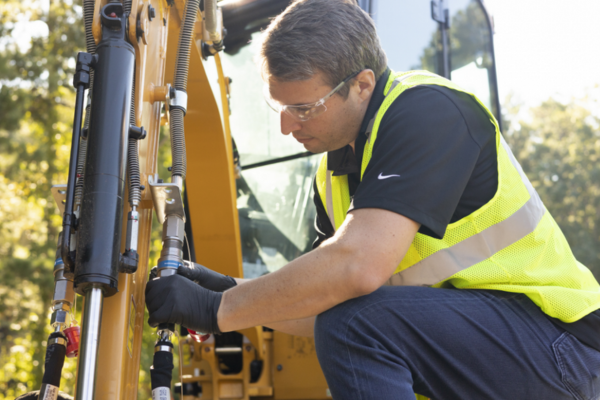
Catching these symptoms early through routine inspections prevents major failures. Common root causes are contamination (the #1 killer of hydraulic systems), improper maintenance, overheating, and cavitation. Always consult a qualified technician for diagnosis, proactive care keeps your construction machinery running safely and productively.

Find the Right Seal Kit for Your Pump
Same-day shipping from Lake Orion, MI · 2-year warranty · OEM-equivalent quality
Experiencing any of these symptoms? Message us with your pump model and part number, same-day response guaranteed.